
Project
Wet Biofibre Spinner
Partner
Mome Innovation Center:
Malu Lücking
Ferenc Kovács-Nagy
Nóra Gulya
Funding
WORTH Partnerships
Year
2025
How can we democratize technologies for open biomaterial innovation to transform the textile industry into one that is circular, local, and regenerative?
Concept
The textile industry must undergo a radical transformation to become truly circular, local, and regenerative. Today, 35% of environmental microplastics come from synthetic, petroleum-based fibres – materials that are inherently non-biodegradable and represent a fundamental design flaw. To address this, we must transition from fossil-based inputs to renewable, locally sourced resources. A key barrier lies in access: while experimentation drives innovation, most designers and small-scale innovators lack the infrastructure needed to process and prototype new biomaterials. Without accessible tools, progress toward sustainable alternatives remains limited.
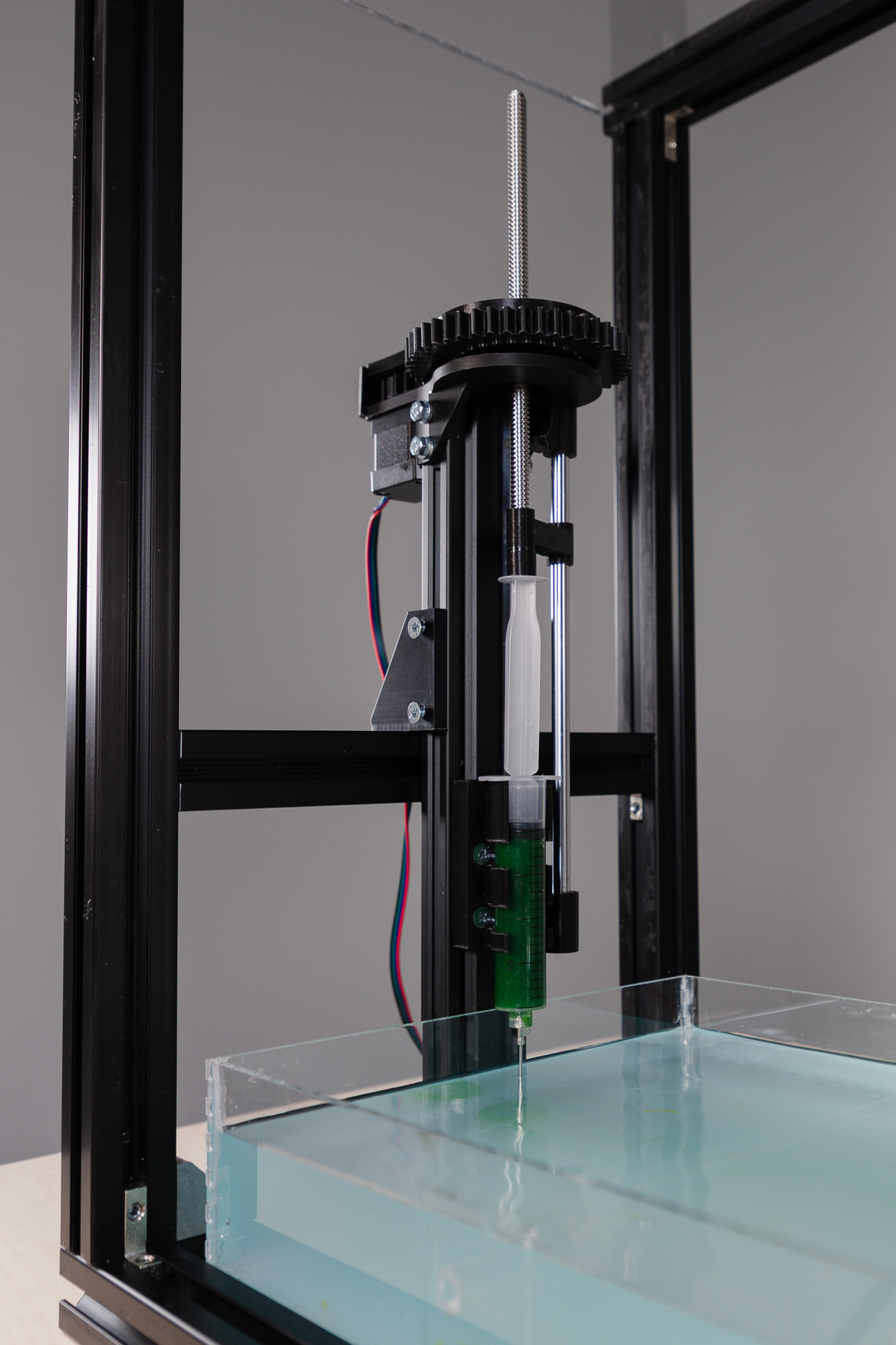
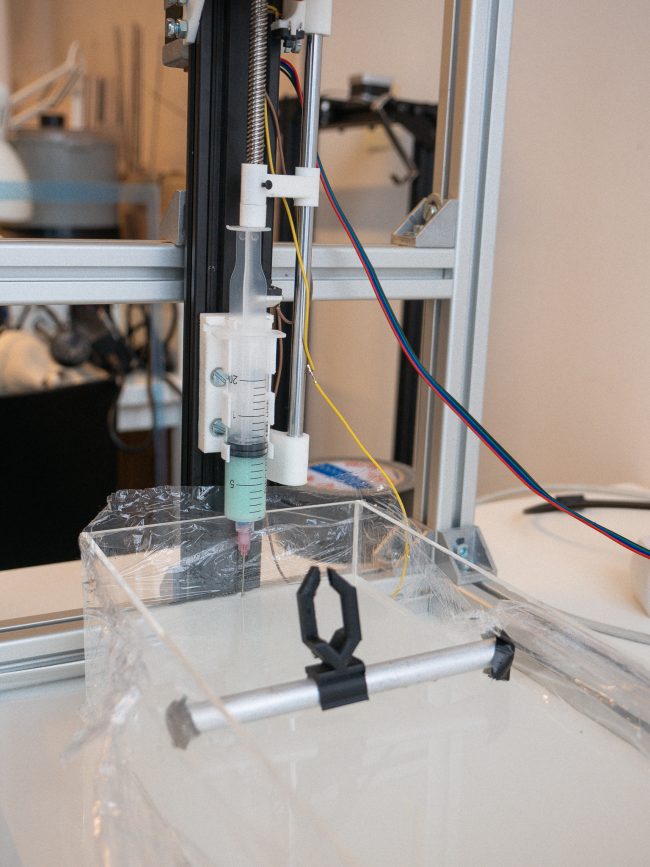
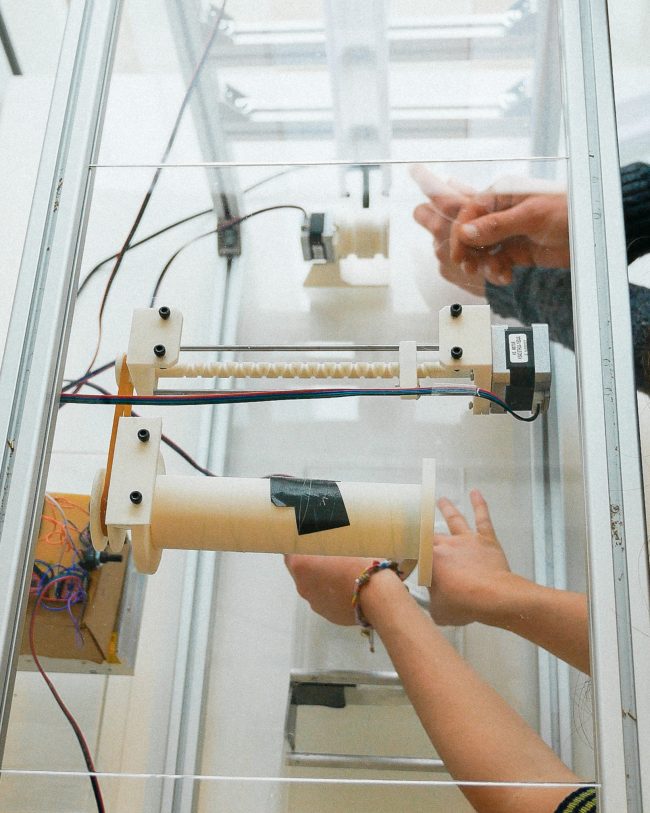
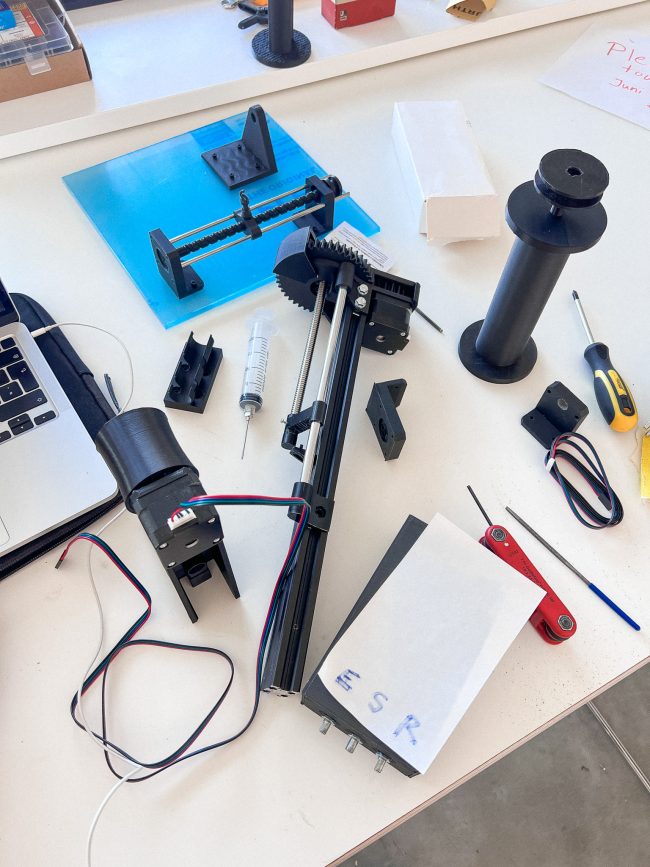
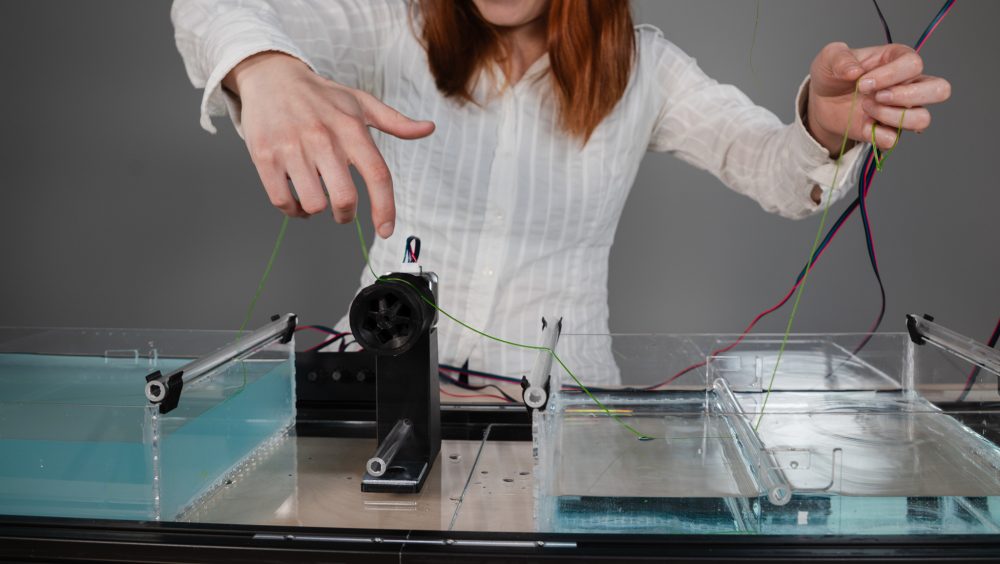
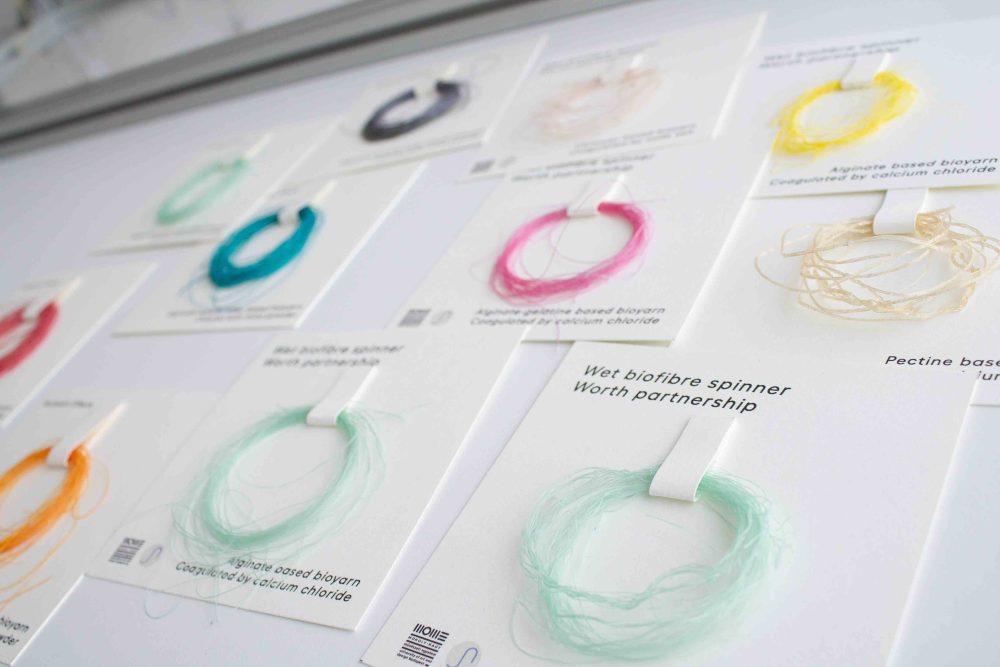
The wet biofibre spinner is the first open-source wet spinning machine for small-scale, bio-based fibre production, bridging low-tech experimentation and high-tech textile development. By enabling the development and production of biodegradable fibres at a small scale, the machine empowers designers, researchers, and communities to directly participate in material innovation.
By hacking and democratizing this technology, we can unlock new possibilities for regenerative textiles – where fibres are not only renewable and biodegradable, but also part of a circular ecosystem that prioritizes local production, resource stewardship, and environmental health.