
Project
Anicca – the Sense of Impermanence
Partner
Annekathrin Grüneberg
Malu Lücking
Technical University Berlin
Funding
this project was further developed as mujō
Year
2019
What if textiles were designed to disappear after their use?
Concept
Does longevity equals value?
Does permanence testify to quality?
Does material consumption inevitably mean having to leave traces behind?
Is the system subject to a fundamental error of thought?
The question is what remains after we have replaced our cell phone with the newest model or exchanged our clothes for the latest trends. Synthecally produced materials such as polyester leave traces and problems, not least because of their almost unlimited lifespan. At the moment when the life of the material exceeds the useful life of the product, material remnants arise – in other words, waste.
Since the Industrial Revolution, regular consumption has become part of our western lifestyle. It is hard to imagine that most people will embark on a radical change in the production of goods and purchasing behaviour in the coming years. So if you can’t extend the life of products because the need for consumption remains unbroken, we should try to shorten the life of our materials.
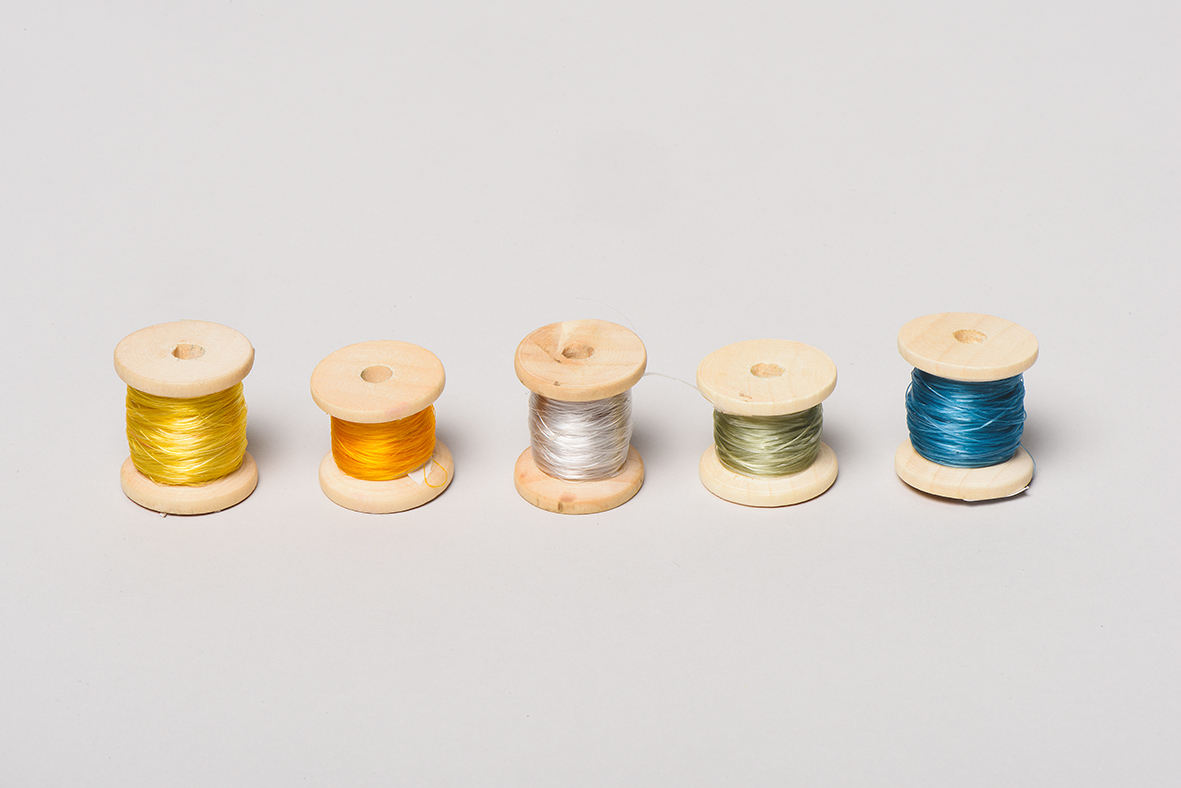
The project „Anicca“ deals theoretically and practically with the positive characteristics of material instability. This is done through interdisciplinary research and design with the biological raw material alginate, which is obtained from brown algae. The biodegradability and natural circular capacity of the yarn spun from alginate are the focus of the research. The design process experiments with the specific application possibilities on the basis of different processing methods. The colours of the yarns are created by pigments obtained from microalgae.
Development
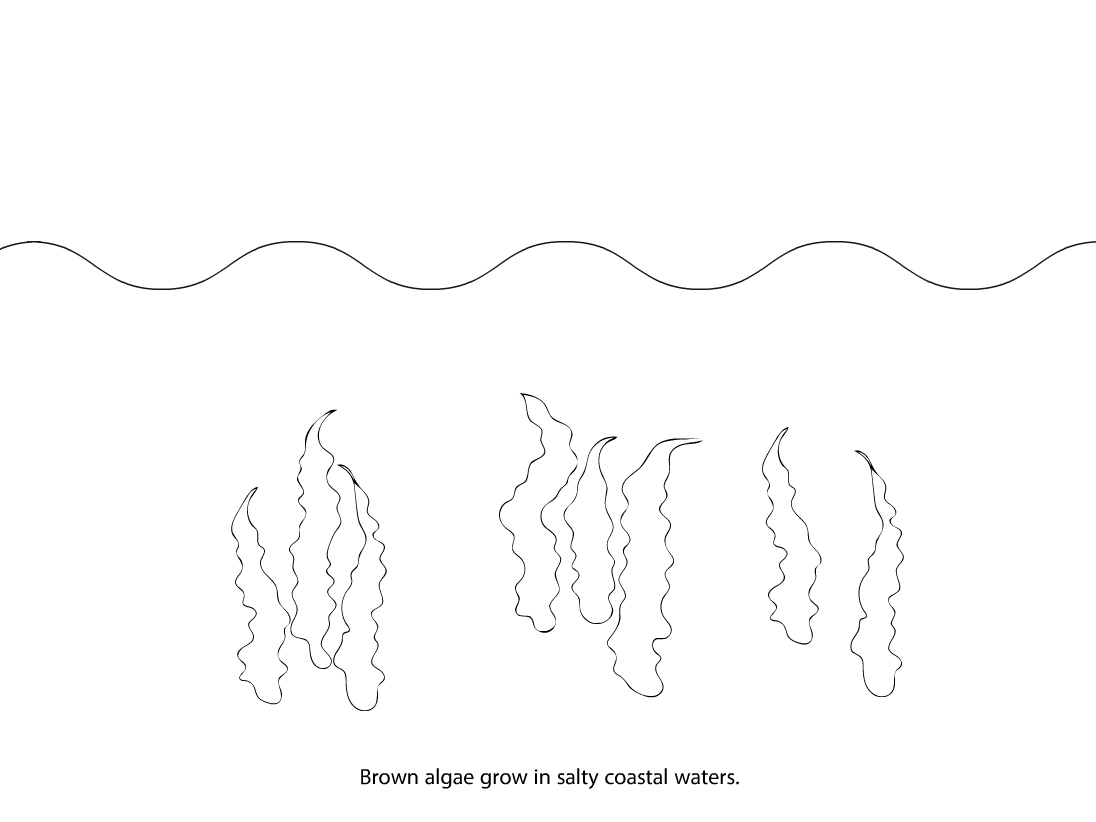
Alginate, a biopolymer derived from brown algae, can be spun into fibres through a wet-spinning process that uses water as a solvent and requires no toxic chemicals. Currently, alginate fibres are primarily used in niche applications such as medical wound dressings. This project expands their potential by investigating their suitability for broader textile and design applications.
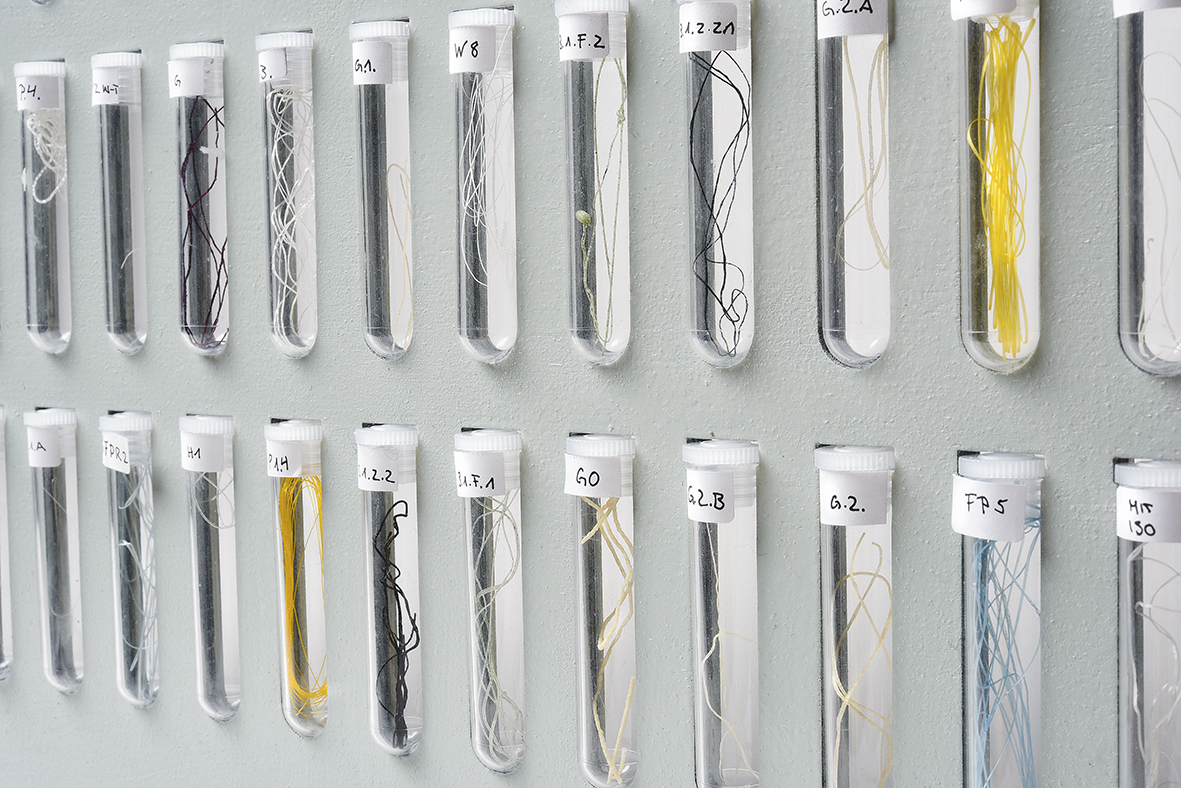
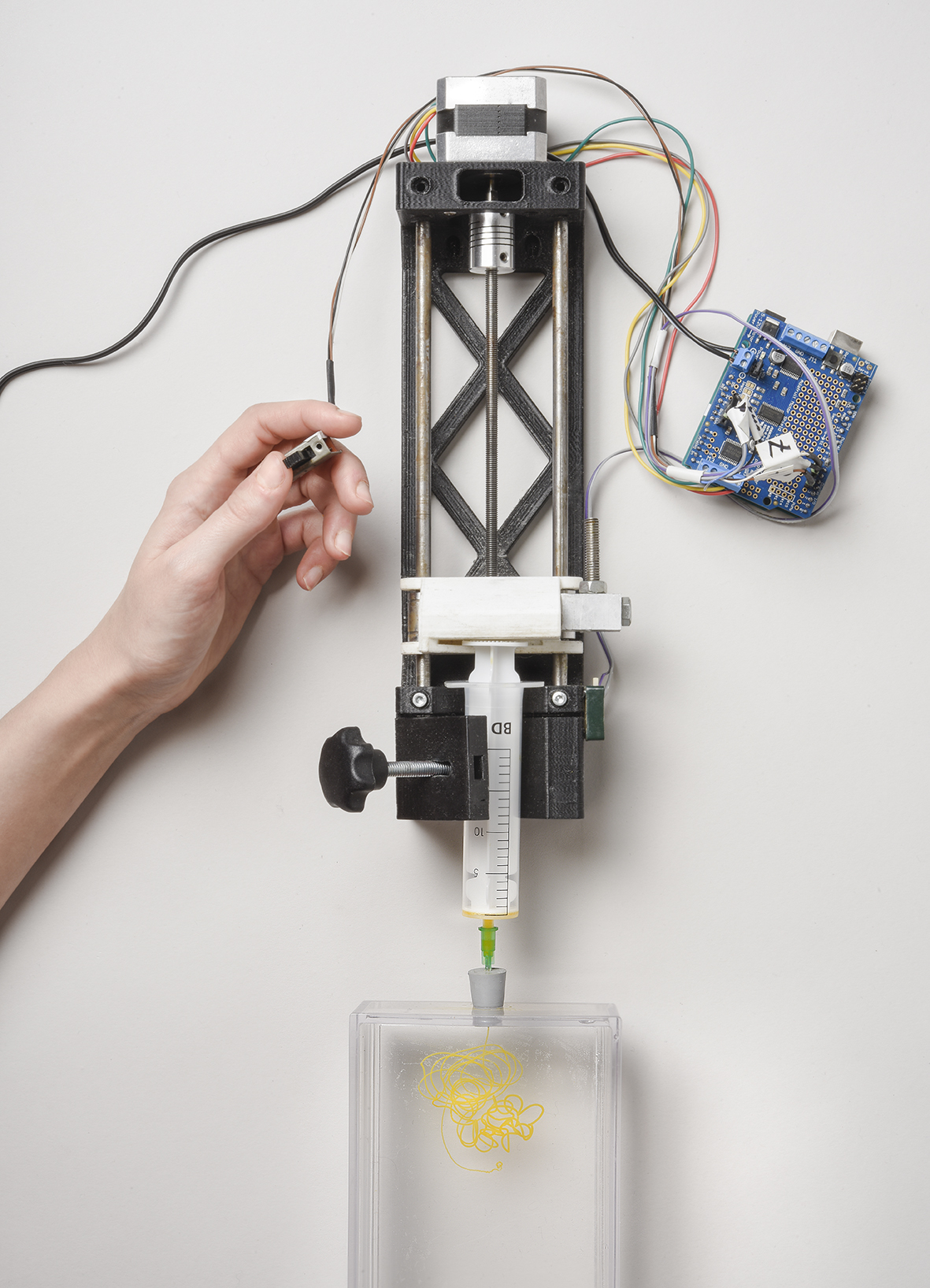
To enable hands-on material exploration, a small-scale extruder was developed to produce continuous alginate fibres. This setup allowed for systematic experimentation with different material recipes and an in-depth analysis of fibre properties. As part of the process, natural coloration methods were explored using pigments derived from microalgae, resulting in the creation of a growing fibre archive. The produced fibres were subsequently processed into various textile forms, including woven, knitted, and non-woven (felted) structures.
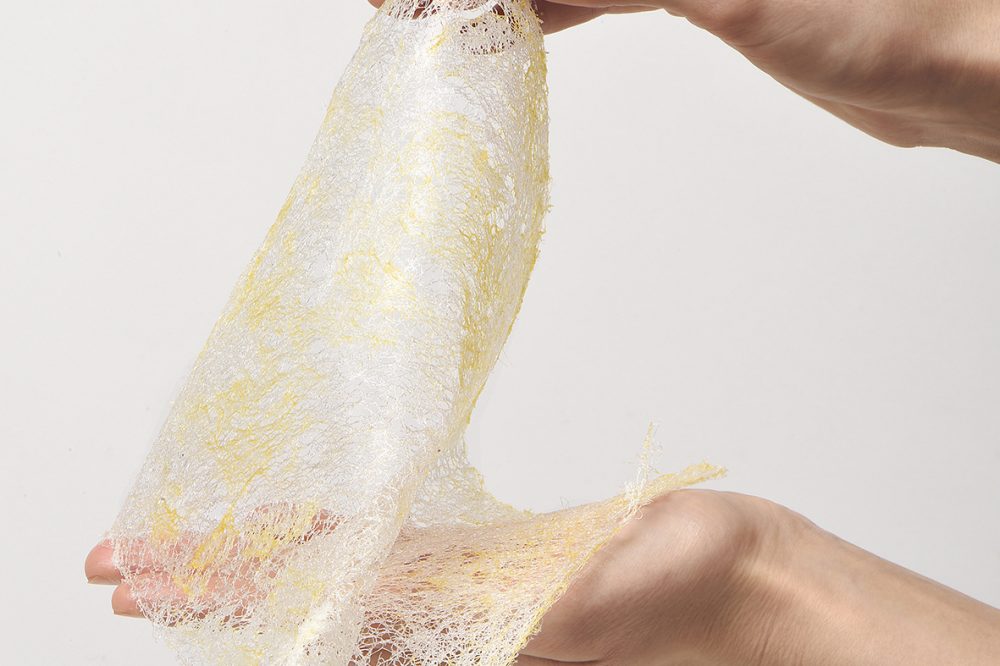
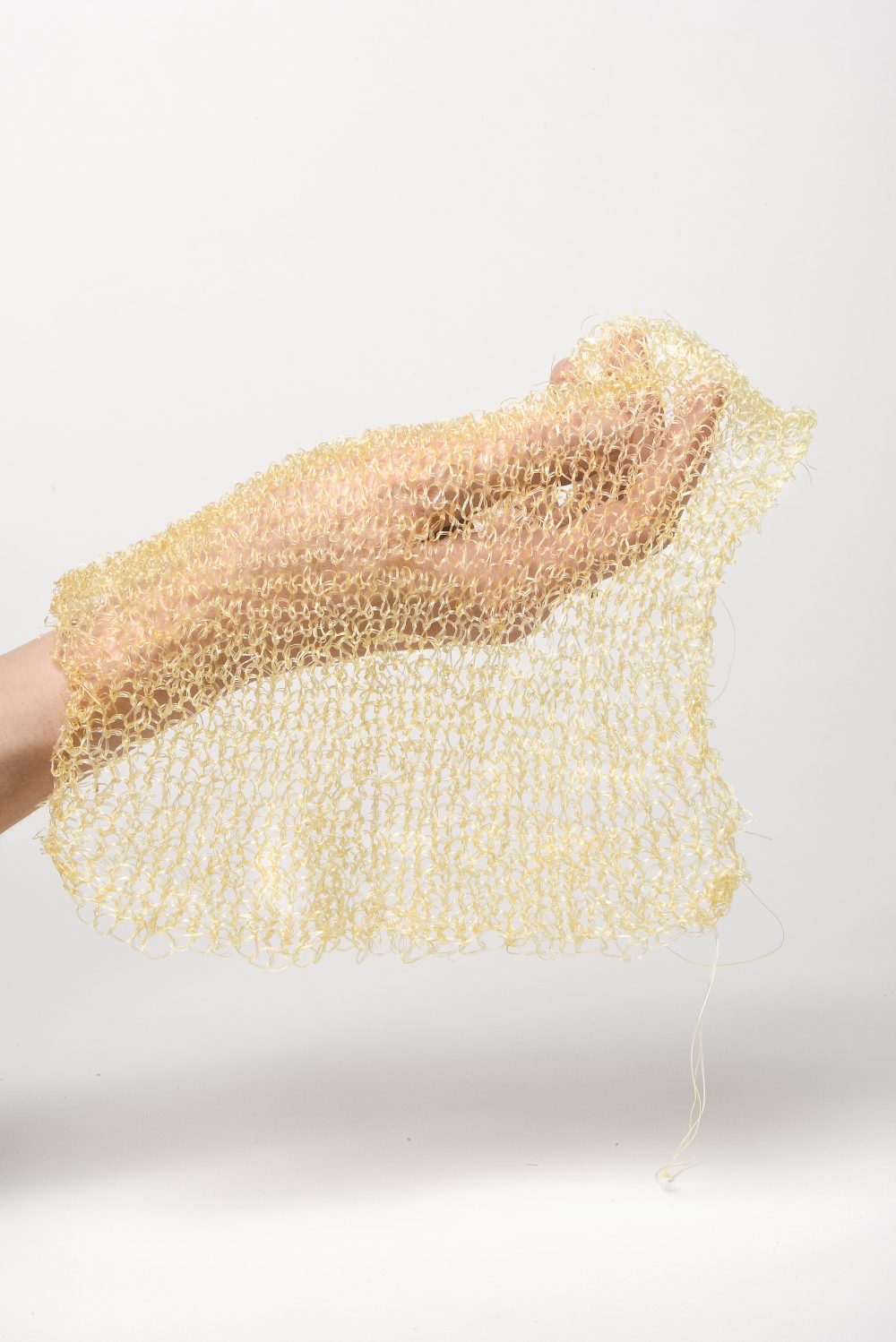
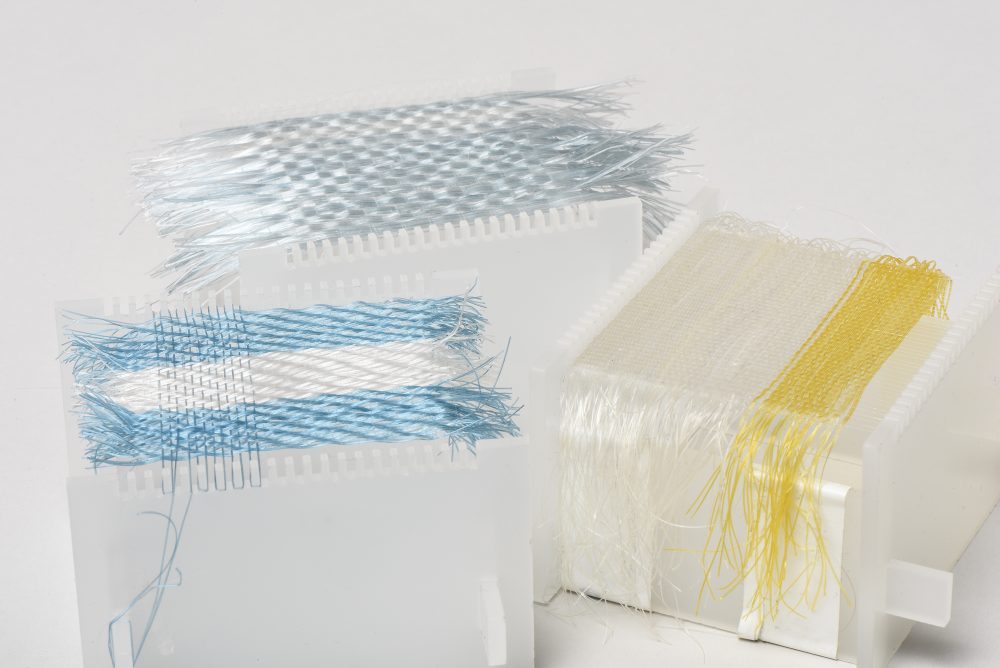
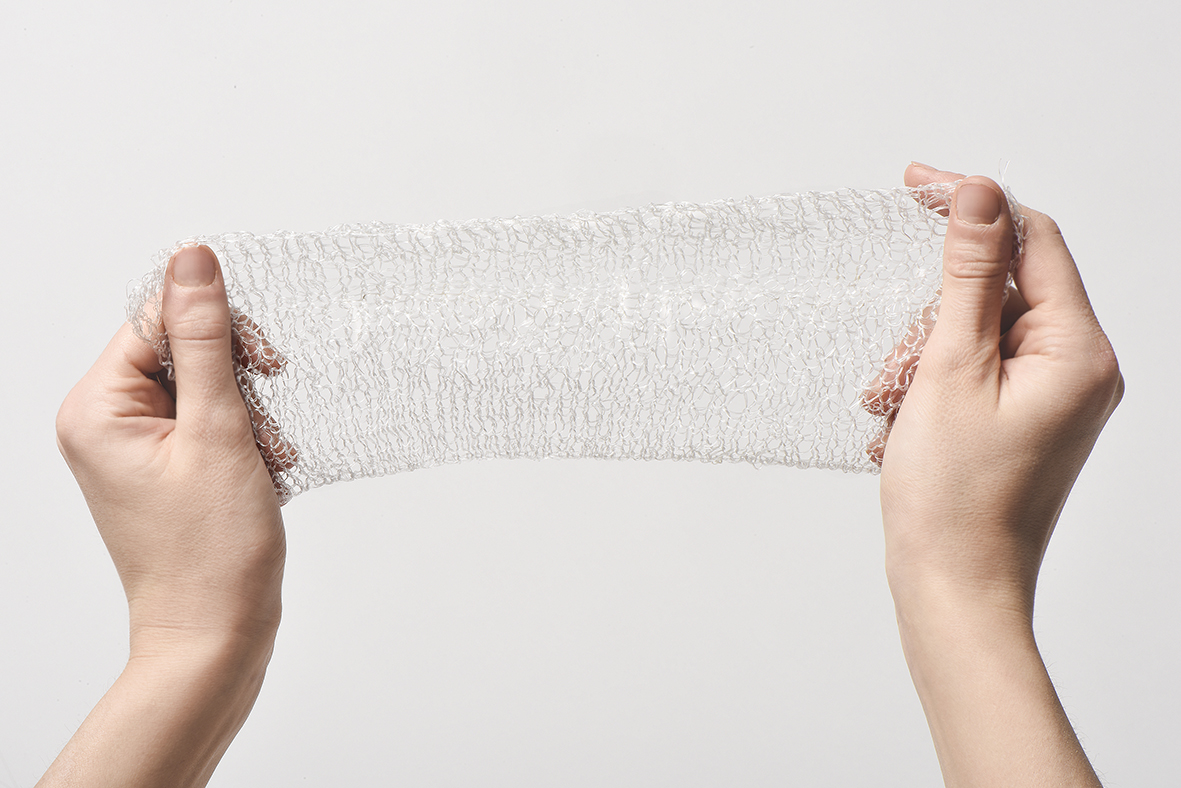
Material testing revealed a defining characteristic: alginate fibres dissolve in alkaline environments such as washing agents or baking soda. Rather than attempting to stabilize or eliminate this property, the project embraces it as a central design feature.
By foregrounding material instability, the research challenges conventional assumptions about durability and value in textile production. It proposes an alternative approach in which the lifespan of materials is intentionally aligned with the lifespan of their use. What if, instead of fast fashion, even faster fashion were produced – designed for impermanence? A wedding dress that returns to compost, a festival outfit that dissolves in the wash – garments that refuse to become waste.
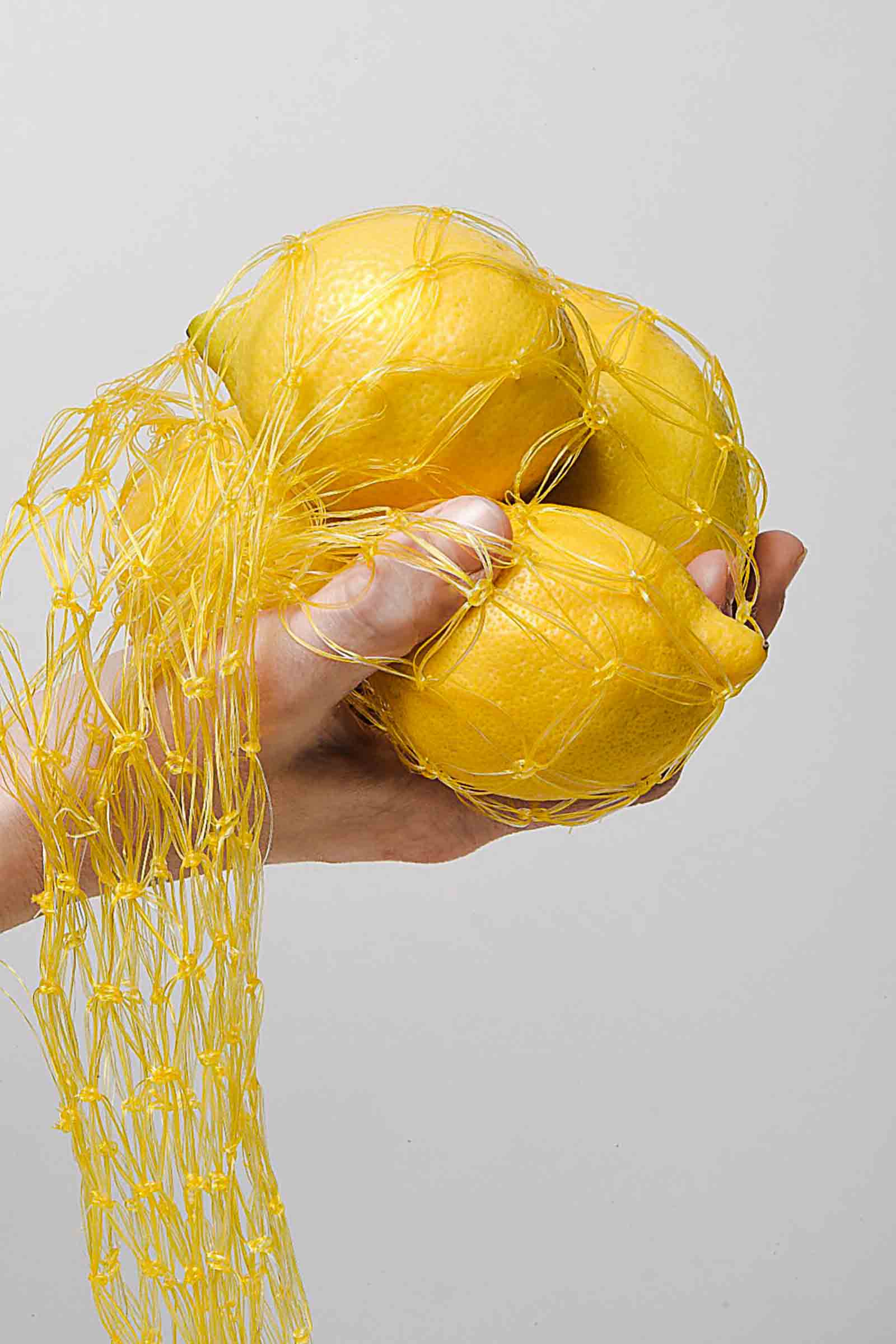
As an initial application, a prototype in the form of a biodegradable net for fruit and vegetable packaging was developed, demonstrating the material’s potential to replace conventional, persistent packaging solutions.