Facing a global production of over 450 million tons of plastic each year – more than one third of it used for short-lived packaging – mujō positions itself as a radical alternative within the material landscape. Most conventional packaging persists for decades or even centuries, accumulating in landfills and oceans, where it slowly degrades into harmful microplastics. In response, mujō challenges the logic of durability for disposable products by developing materials that are designed to disappear.
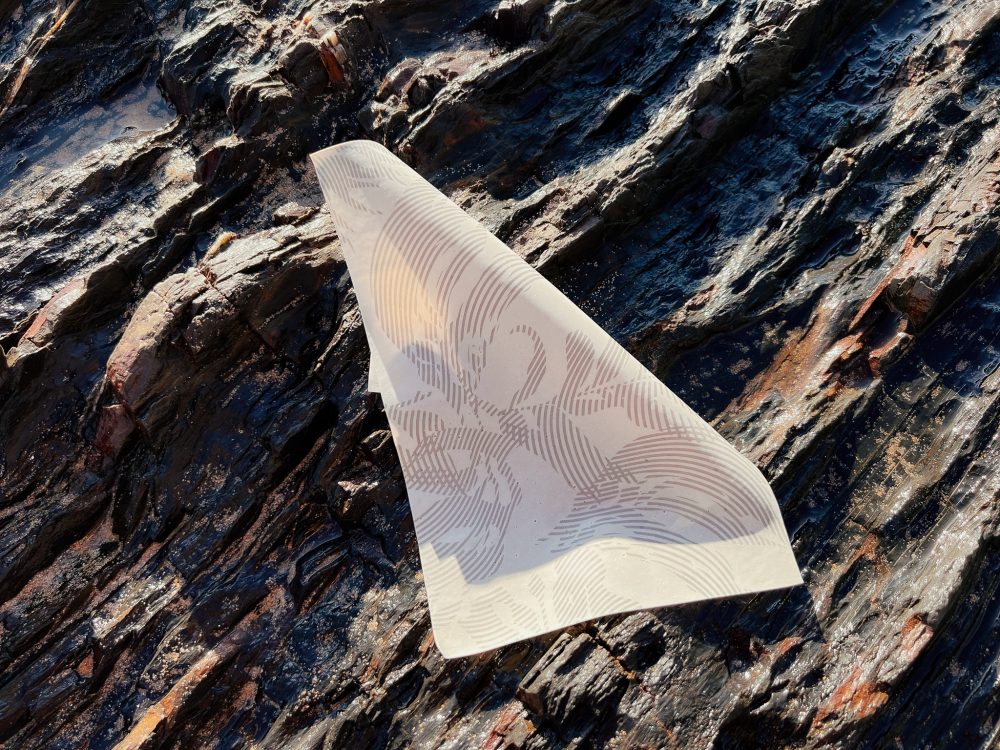
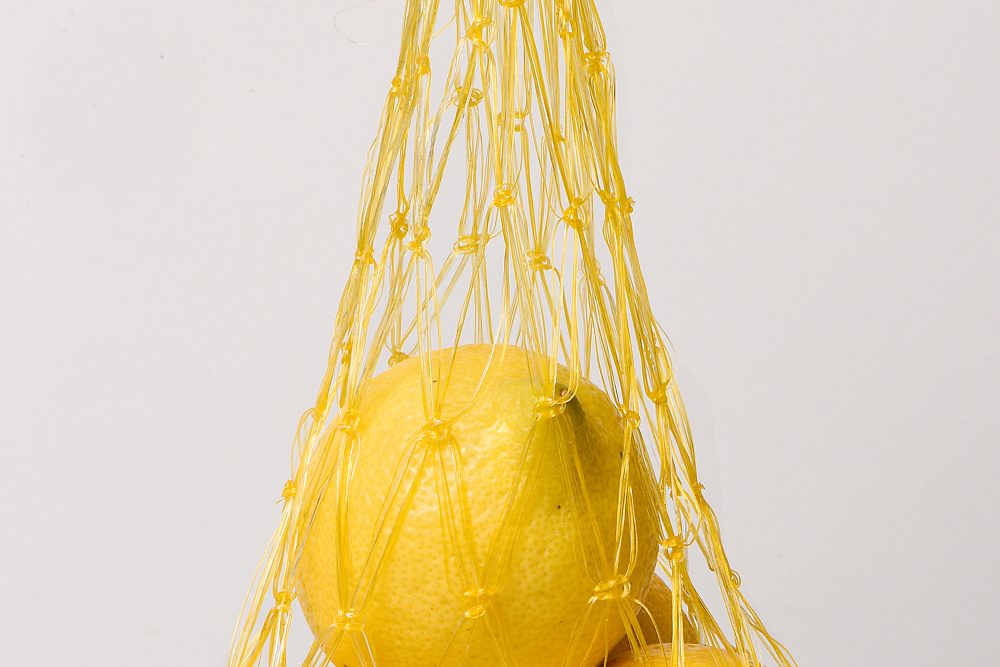
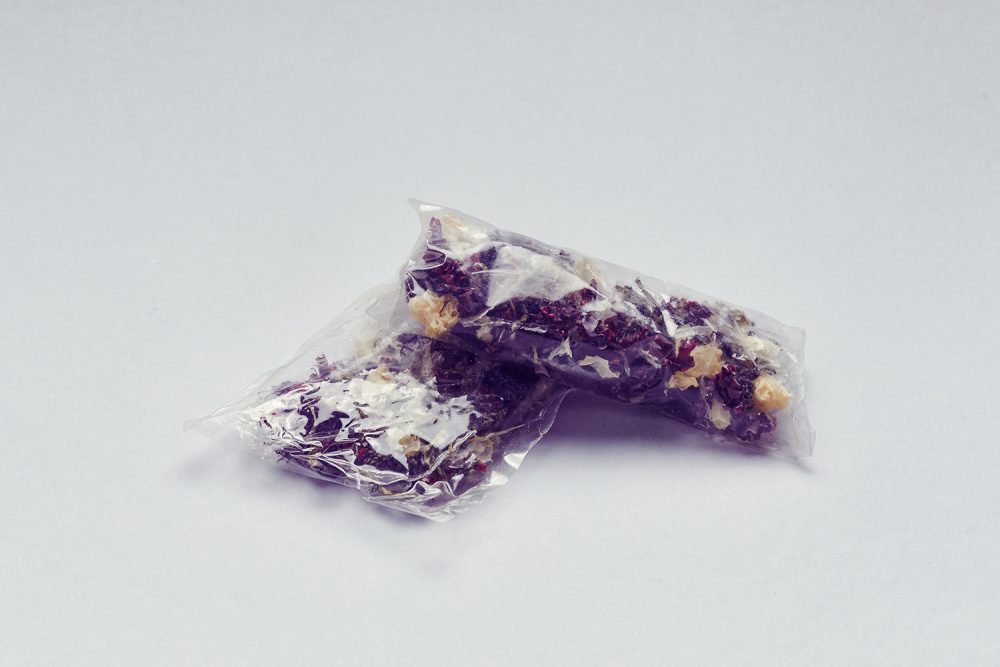
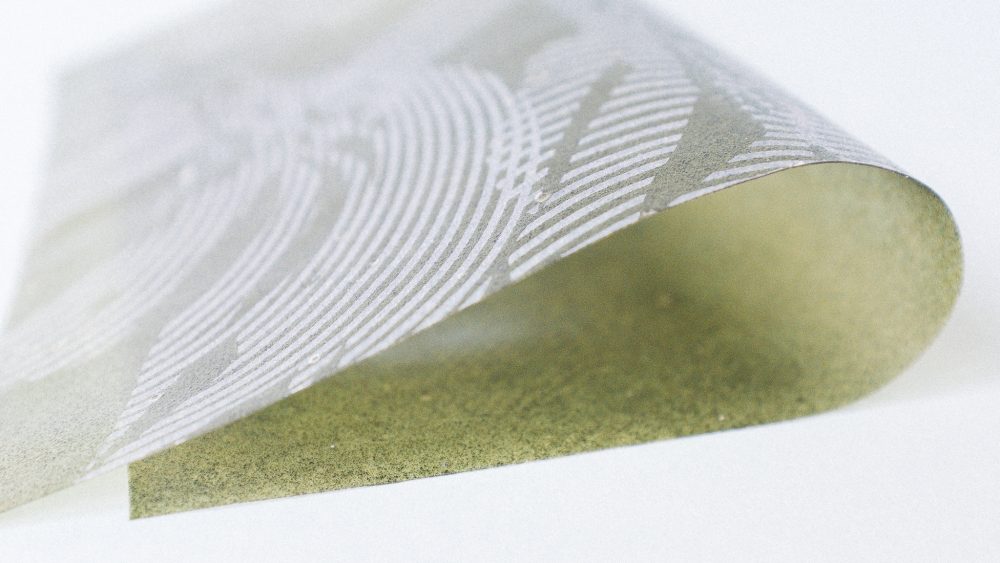
As a biomaterial innovation lab operating at the intersection of material science and design, mujō creates seaweed-based packaging solutions that are fully aligned with natural cycles. Their materials are 100% bio-based and chemically unmodified, allowing them to biodegrade harmlessly in the environment without leaving toxic residues.
At the core of this approach lies seaweed – a rapidly renewable resource that grows without the need for land, freshwater, or fertilizers. Its cultivation not only avoids competition with food systems but actively contributes to environmental regeneration by absorbing excess nutrients, sequestering carbon dioxide, and supporting marine biodiversity. With oceans covering the majority of the planet, seaweed offers a scalable and ecologically beneficial feedstock for future material systems.
Through the development of flexible packaging films, mujō provides an alternative for brands seeking to move beyond conventional plastic packaging. By combining functionality, sustainability, and a strong material narrative,
mujō enables the next generation of regenerative packaging.